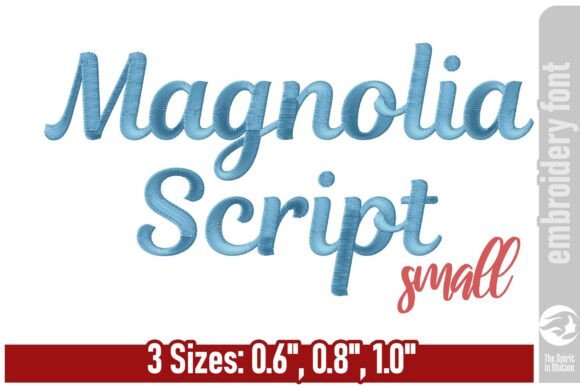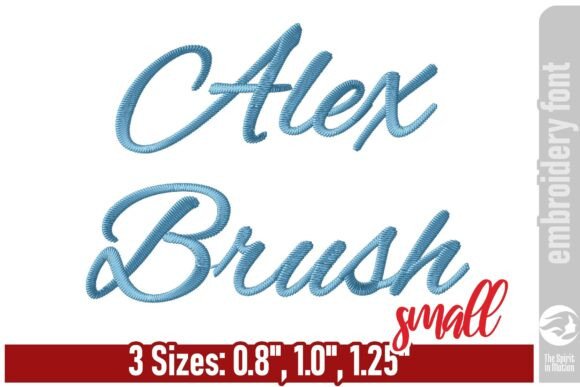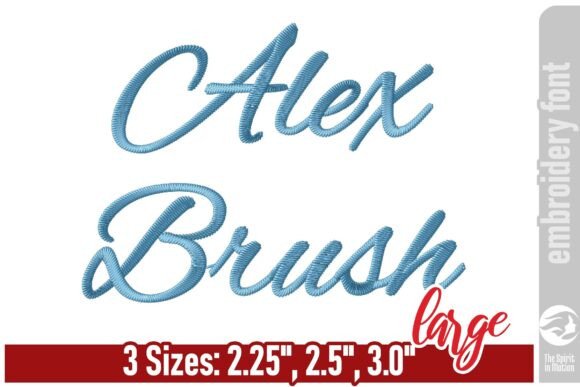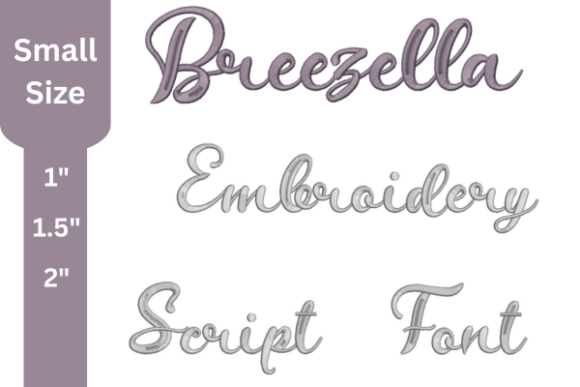
Magnolia Script Embroidery Font: Elegant Machine Embroidery
There is a specific kind of elegance that comes with a perfectly stitched monogram on a linen napkin or the soft cursive of a baby’s name on a keepsake blanket. Achieving that high-end look requires more than just a good embroidery machine; it demands a typeface that understands the medium. The Magnolia Script Embroidery Font - Medium is a design asset that bridges the gap between digital convenience and hand-crafted artistry. It is not merely a font converted into stitches; it is a carefully digitized typeface designed to mimic the fluidity of modern calligraphy while maintaining the structural integrity required for machine embroidery.
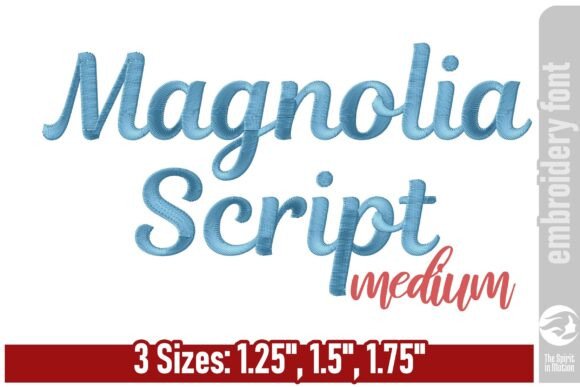
Visually, this script font is defined by its smooth connections and soft, sweeping curves. Unlike rigid block letters or overly complex vintage scripts, Magnolia Script offers a balanced weight that sits comfortably in the "medium" category. This makes it incredibly versatile. It has enough presence to stand out on a tote bag or sweatshirt, yet it retains a delicate sophistication suitable for wedding linens and baby items. The personality of the font is approachable yet polished. It carries a modern typography aesthetic—think of the fluid lettering you might see in high-end packaging design or contemporary editorial design, but optimized for thread. The visual appeal lies in its consistency; the connections between letters are natural, avoiding the awkward jumps or clunky overlaps that often plague lesser digitized fonts.
Practical Applications: From Personalized Gifts to Brand Identity
For the creative professional, entrepreneur, or hobbyist, the utility of a font is defined by its application. The Magnolia Script Embroidery Font excels in scenarios where personalization is key. If you are a small business owner creating personalized gifts—think custom tote bags, robes, or handkerchiefs—this font serves as a cornerstone of your product line. It is particularly effective for names and monograms. The medium weight ensures that the text remains readable even when stitched at smaller sizes, a common requirement for monogramming shirt cuffs or collars.
Beyond personalization, this font plays a significant role in brand identity for physical products. If you are launching a clothing line or a home goods brand, the typography you choose for your physical labels and merchandise speaks volumes. Using a premium font like Magnolia Script suggests a level of care and attention to detail. It tells your customer that the item is not mass-produced junk, but a curated piece of design. It works beautifully on:
- Wedding Accents: Table runners, ring bearer pillows, and bridal party gifts.
- Baby Items: Onsies, bibs, and nursery wall art where a soft, gentle aesthetic is required.
- Home Décor: Throw pillows, tea towels, and blankets that need a cozy, handwritten feel.
- Apparel: The back of varsity-style sweatshirts or the breast pocket area of button-downs.
The Art of Readability and Stitch-Out Consistency
One of the most critical aspects of typography—whether on a screen or in thread—is readability. In the world of embroidery, this is often dictated by "pull compensation" and stitch density. The digitization process behind the Magnolia Script Embroidery Font ensures clean stitch-outs. This means the satin columns are formed correctly, preventing the "bird-nesting" or thread breakage that can ruin a project. When the font description notes that the sizes and stitches information is provided for "A" and "a," it serves as a benchmark for the density you can expect. This technical reliability translates directly to professional consistency.
For those utilizing design software, the inclusion of the BX format is a significant workflow enhancement. This format allows users to type directly with the font in specific embroidery software environments, eliminating the need to merge individual letter files one by one. This speeds up the production process, which is vital for commercial font applications where time is money. Whether you are a publisher creating physical assets or a marketer developing branded merchandise, this efficiency is a tangible benefit.
Integrating Magnolia Script into Your Design Workflow
Choosing the right typeface involves evaluating the "voice" of your project. The Magnolia Script Embroidery Font - Medium speaks with a voice that is modern, feminine, and graceful. However, it is essential to consider how it interacts with other design elements. If you are pairing it with other fonts—for example, on a shirt that has a main graphic and a subtext—contrast is your friend. A bold sans serif font often pairs well with a flowing script, creating a visual hierarchy that guides the viewer's eye.
When evaluating if this font fits your project, consider the fabric. A script font with soft curves performs best on stable fabrics like cotton twill, linen, or medium-weight knits. On highly textured fabrics like terry cloth or chunky cable knits, even the best script can get lost, though the medium weight of this typeface helps it hold its own better than a light, thin script would.
Design Recommendations for Maximum Impact
- Scale Matters: While the font is designed for clarity, script fonts generally need to be stitched larger than block letters to be legible. Test your design on a scrap piece of fabric that matches your final product.
- Color Contrast: Ensure your thread color contrasts sufficiently with the fabric. High contrast (like navy thread on white linen) emphasizes the modern calligraphy style, while tone-on-tone (white on white) offers a subtle, textured elegance often seen in luxury packaging design.
- Spacing: Trust the digitizer's kerning, but be prepared to adjust. If you are stitching a very long word, ensure it doesn't wrap awkwardly around a pillow corner or bag seam.
Ultimately, the Magnolia Script Embroidery Font